



Vrindavan: The Sacred Land of Krishna - History, Significance & Spiritual Guide
Share
What is Vrindavan?
Vrindavan is one of the holiest pilgrimage sites in Hinduism, located in the Mathura district of Uttar Pradesh, India. This sacred town is where Lord Krishna spent His childhood, performing divine pastimes (leelas) that have captivated devotees for thousands of years.
The name "Vrindavan" comes from "Vrinda" (the Tulsi plant) and "van" (forest), meaning "the forest of Tulsi." According to tradition, this land was once covered with sacred Tulsi groves where Krishna played His flute and danced with the gopis (cowherd maidens).
The Spiritual Significance of Vrindavan
The Land of Divine Love
Vrindavan is not just a geographical location—it's considered a transcendental realm where the material and spiritual worlds meet. Every grain of dust, every tree, and every stone in Vrindavan is said to be sacred and imbued with Krishna's divine presence.
Why Vrindavan is special:
- Krishna performed His childhood pastimes here
- The land witnessed the divine love between Radha and Krishna
- It's one of the seven sacred cities (Sapta Puri) that grants liberation
- Simply remembering Vrindavan purifies the heart
- Chanting in Vrindavan is said to be millions of times more powerful
Vrindavan in Scriptures
The Srimad Bhagavatam, Brahma Vaivarta Purana, and other Vedic texts extensively describe Vrindavan's glories. The Chaitanya Charitamrita states that Vrindavan is the supreme abode, even more exalted than Vaikuntha (the spiritual world).
Krishna's Pastimes in Vrindavan
Childhood Leelas
Vrindavan was the stage for Krishna's most enchanting pastimes:
Bal Leelas (Childhood Pastimes):
- Stealing butter: Krishna's famous butter-stealing adventures
- Lifting Govardhan Hill: Protecting villagers from Indra's wrath
- Defeating demons: Killing Putana, Trinavarta, Bakasura, and others
- Playing with cowherd boys: Tending cows and playing in the forests
Rasa Leela:
The most celebrated pastime is the Rasa Dance, where Krishna danced with the gopis under the full moon, multiplying Himself so each gopi felt He was dancing with her alone. This divine dance represents the soul's intimate relationship with God.
Radha-Krishna's Divine Love
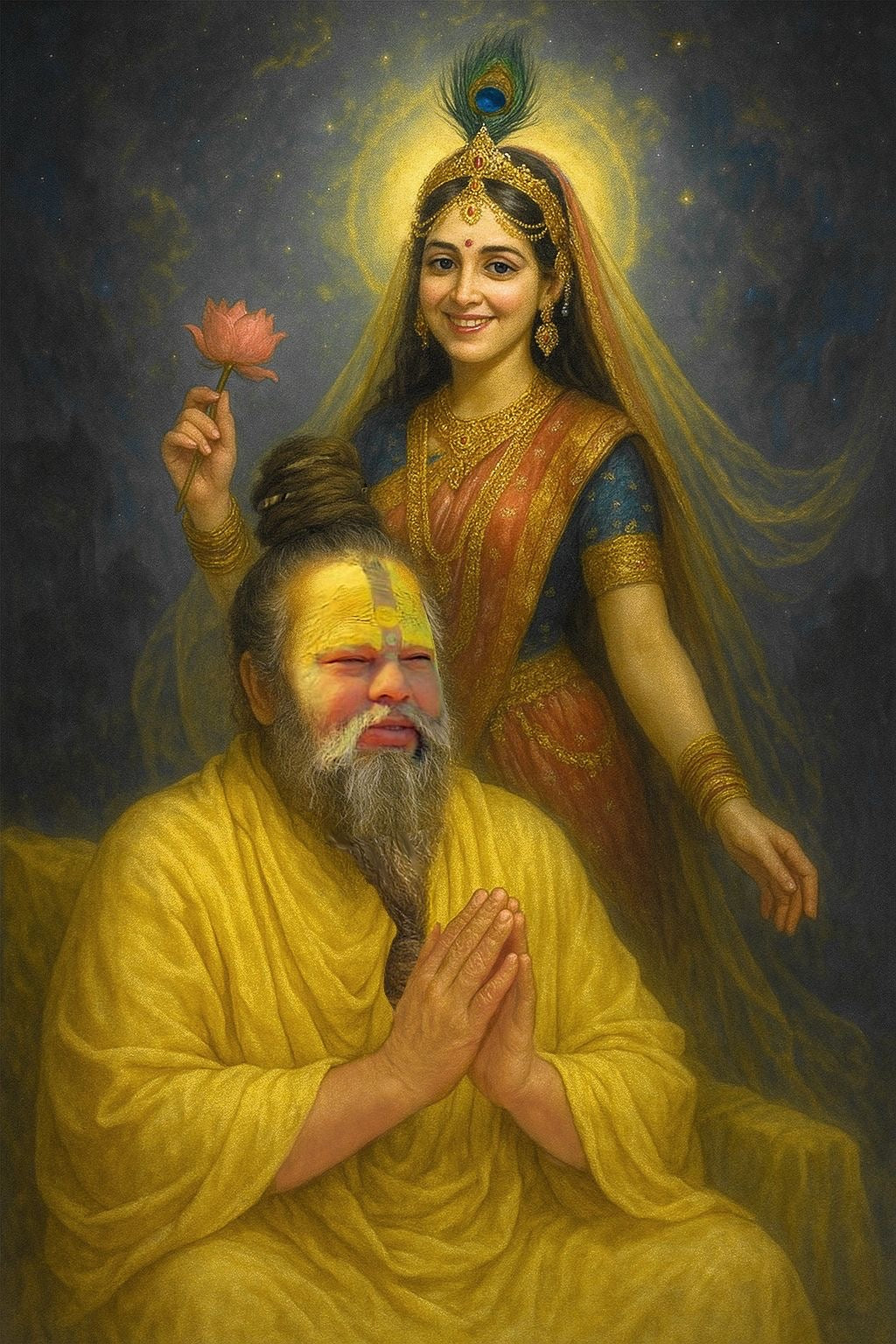
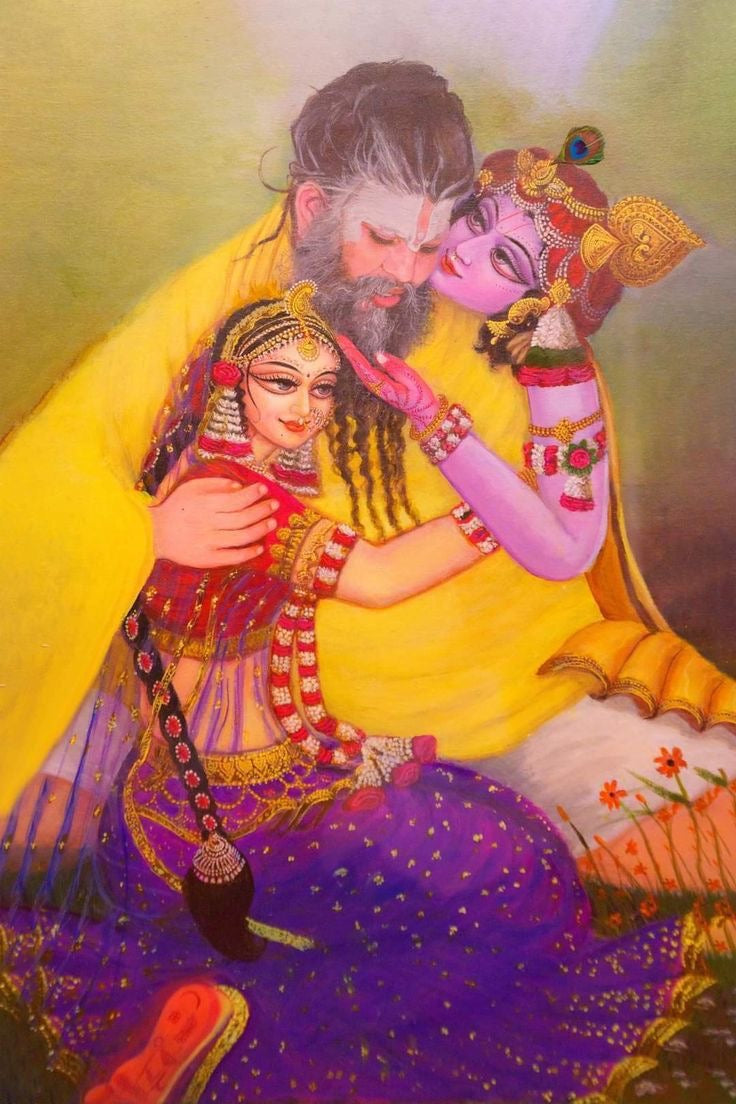
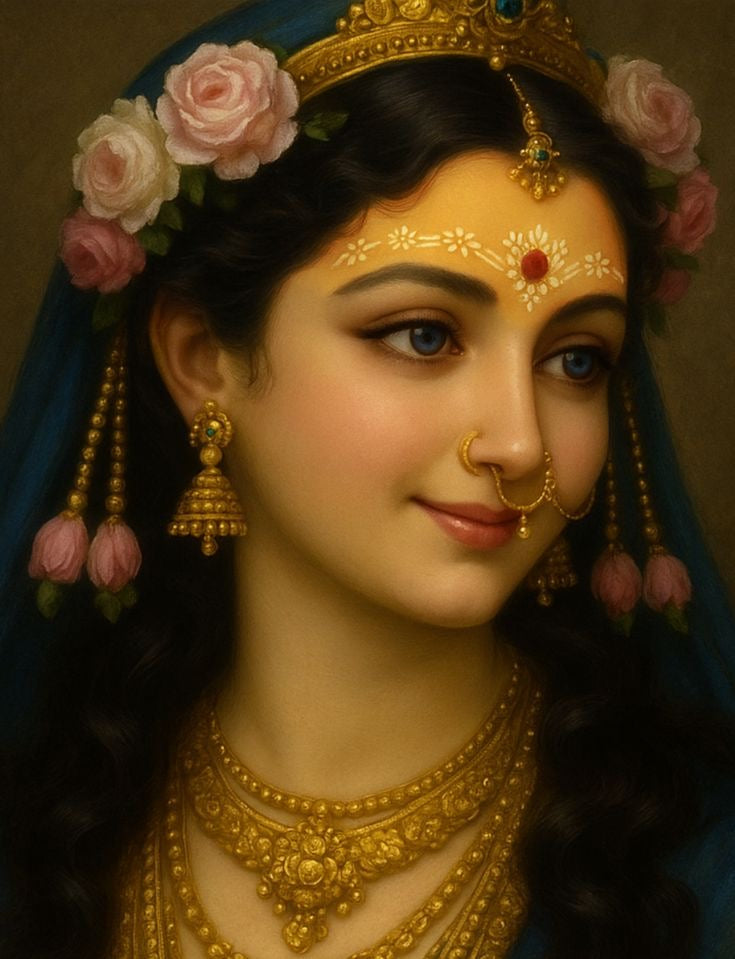
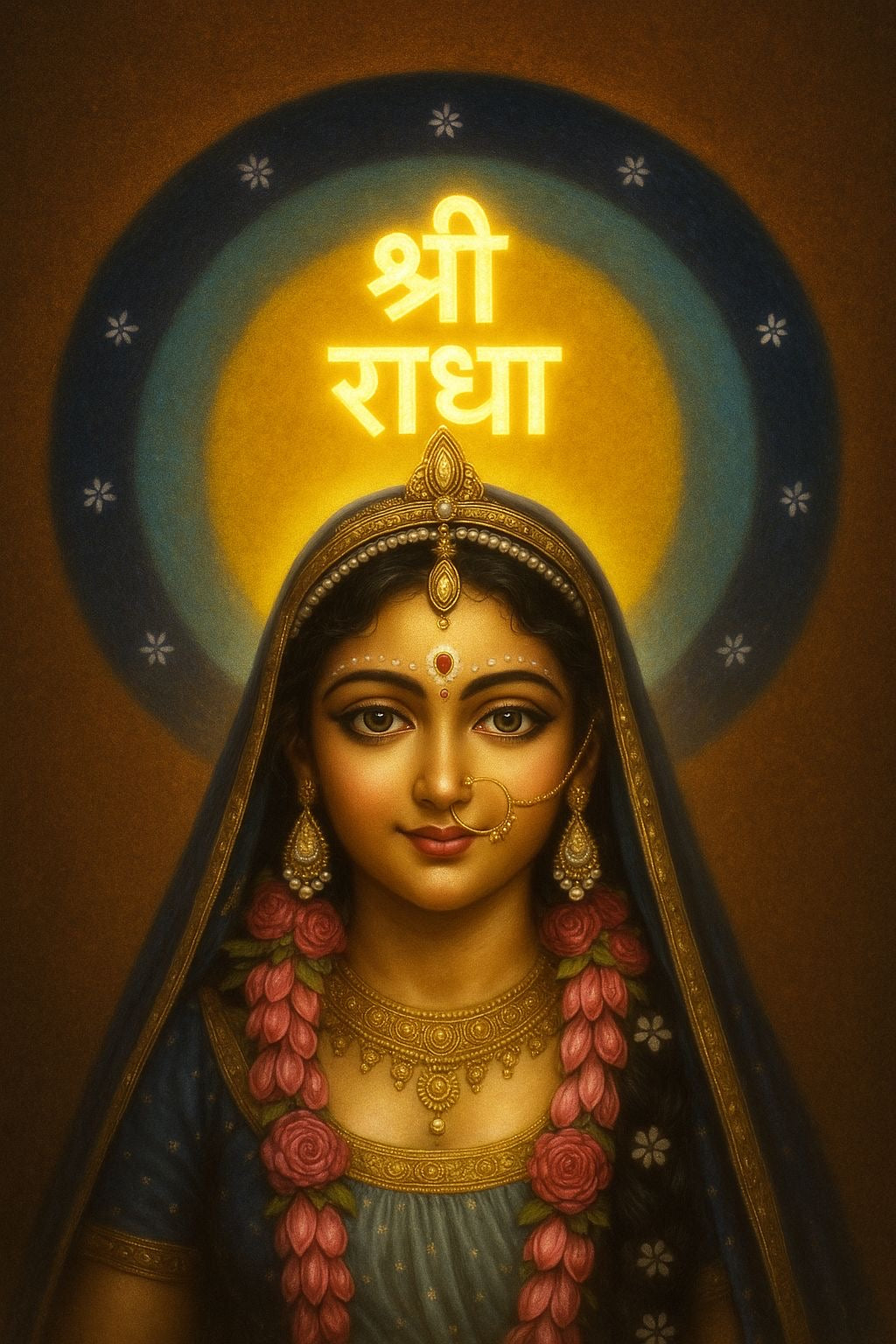
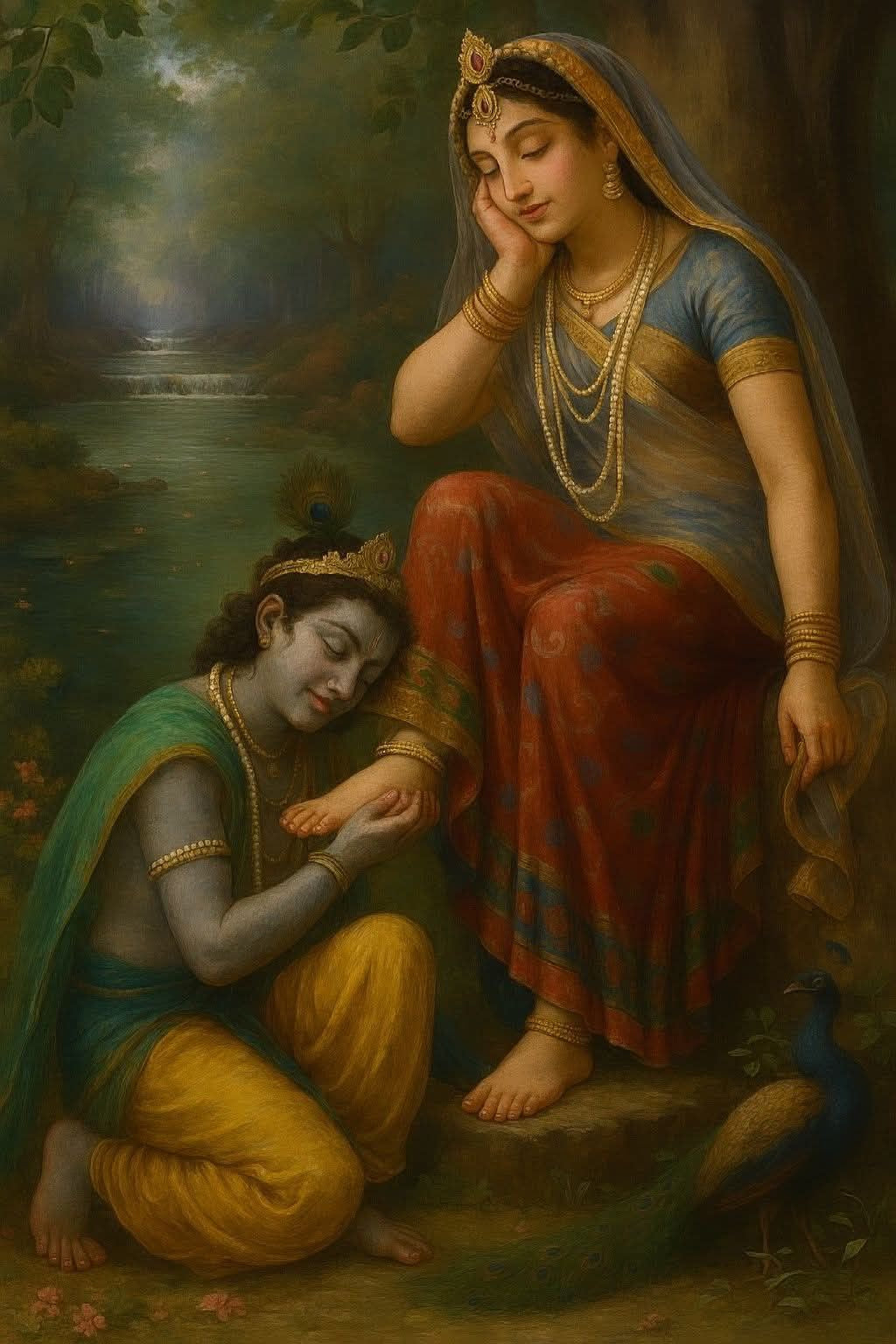
Vrindavan is inseparable from the love story of Radha and Krishna. Their divine romance symbolizes the highest form of devotion—pure, selfless love for God. The banks of the Yamuna River, the groves of Vrindavan, and Radha Kund all witnessed their transcendental pastimes.
Sacred Places in Vrindavan
Major Temples
Banke Bihari Temple:
The most famous temple in Vrindavan, housing the deity of Banke Bihari (Krishna in His three-fold bending form). The deity is known for His playful nature and mesmerizing darshan.
ISKCON Vrindavan (Krishna Balaram Mandir):
Founded by Srila Prabhupada, this temple is a major center for Krishna consciousness worldwide. It houses beautiful deities of Krishna-Balaram and Radha-Shyamasundar.
Prem Mandir:
A stunning white marble temple depicting Krishna's pastimes, illuminated beautifully at night. Built by Jagadguru Kripalu Maharaj.
Radha Vallabh Temple:
Unique temple where only Radharani's crown is worshipped alongside Krishna, symbolizing their inseparable nature.
Radha Raman Temple:
Home to the self-manifested deity of Radha Raman, worshipped by Gopal Bhatta Goswami, one of the six Goswamis of Vrindavan.
Sacred Groves and Sites
Nidhivan:
A mysterious grove where Krishna is believed to perform Rasa Leela every night. No one is allowed to stay after dark, and the trees have a unique, twisted appearance.
Seva Kunj:
The place where Radha and Krishna rested after the Rasa dance. Devotees can visit during the day to feel the divine atmosphere.
Yamuna River:
The sacred river where Krishna performed many pastimes, including subduing the serpent Kaliya. Taking bath in Yamuna is considered highly purifying.
Govardhan Hill:
Located near Vrindavan, this sacred hill was lifted by Krishna. Devotees perform parikrama (circumambulation) of the 21-kilometer path.
The Six Goswamis of Vrindavan
After Lord Chaitanya Mahaprabhu visited Vrindavan in the 16th century, He sent six of His chief disciples to rediscover and establish the holy places:
- Rupa Goswami - Author of Bhakti-rasamrita-sindhu
- Sanatana Goswami - Author of Hari-bhakti-vilasa
- Raghunatha Bhatta Goswami - Expert in Srimad Bhagavatam
- Raghunatha Das Goswami - Embodiment of renunciation
- Jiva Goswami - Greatest philosopher and scholar
- Gopal Bhatta Goswami - Established deity worship standards
These great saints lived in extreme simplicity, spending their days writing devotional literature and their nights chanting and crying for Krishna.
Vrindavan Parikrama
Parikrama (circumambulation) of Vrindavan is a sacred practice where devotees walk around the holy dhama, visiting temples and sacred sites.
Types of Parikrama:
- Vrindavan Parikrama: Approximately 10 km, can be completed in 3-4 hours
- Govardhan Parikrama: 21 km around Govardhan Hill
- Braj Mandala Parikrama: 84 kos (approximately 252 km) covering all of Braj
Benefits of Parikrama:
- Purifies the heart and mind
- Destroys sinful reactions
- Increases devotion to Krishna
- Grants spiritual merit
- Connects you with Krishna's pastimes
Festivals in Vrindavan
Janmashtami (Krishna's Birthday)
The most important festival, celebrating Krishna's appearance. Temples are decorated magnificently, and midnight celebrations mark His birth moment.
Holi (Festival of Colors)
Vrindavan's Holi is world-famous, lasting for a week. It commemorates Krishna's playful color-throwing with the gopis. The Banke Bihari temple's Phoolon ki Holi (flower Holi) is especially famous.
Radhashtami
Celebrating Radharani's appearance, this festival is observed with great devotion, especially at Radha-focused temples.
Kartik Month
The entire month of Kartik (October-November) is considered most auspicious. Thousands of devotees come for the month-long festival, offering lamps and performing parikrama daily.
Living in Vrindavan: The Devotee Community
Vrindavan is home to thousands of devotees from around the world who have dedicated their lives to Krishna bhakti:
- Widows of Vrindavan: Thousands of elderly widows live in ashrams, spending their days chanting
- International devotees: ISKCON and other organizations host devotees from every country
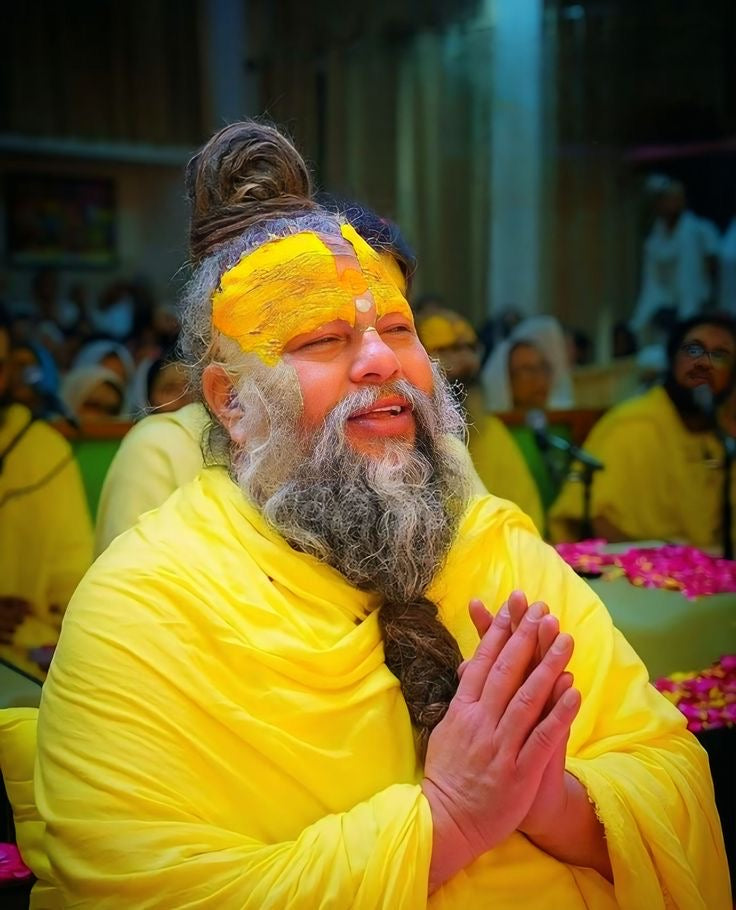
- Babajis: Renounced saints living in extreme simplicity
- Scholars: Pandits preserving ancient Vaishnava traditions
How to Experience Vrindavan Spiritually
For Pilgrims Visiting
- Wake early: Experience mangala arati (pre-dawn worship) at temples
- Chant your rounds: Japa in Vrindavan is especially powerful
- Visit sacred sites: Don't just sightsee—meditate on Krishna's pastimes
- Take Yamuna bath: Purify yourself in the sacred river
- Attend kirtan: Join evening kirtans at various temples
- Serve devotees: Offer service at temples or to elderly devotees
- Read Bhagavatam: Study Krishna's pastimes while in the holy dhama
For Those Who Cannot Visit
You don't need to be physically in Vrindavan to connect with its spiritual energy:
- Chant Hare Krishna: The holy name brings Vrindavan to your heart
- Read about Krishna's pastimes: Srimad Bhagavatam transports you to Vrindavan
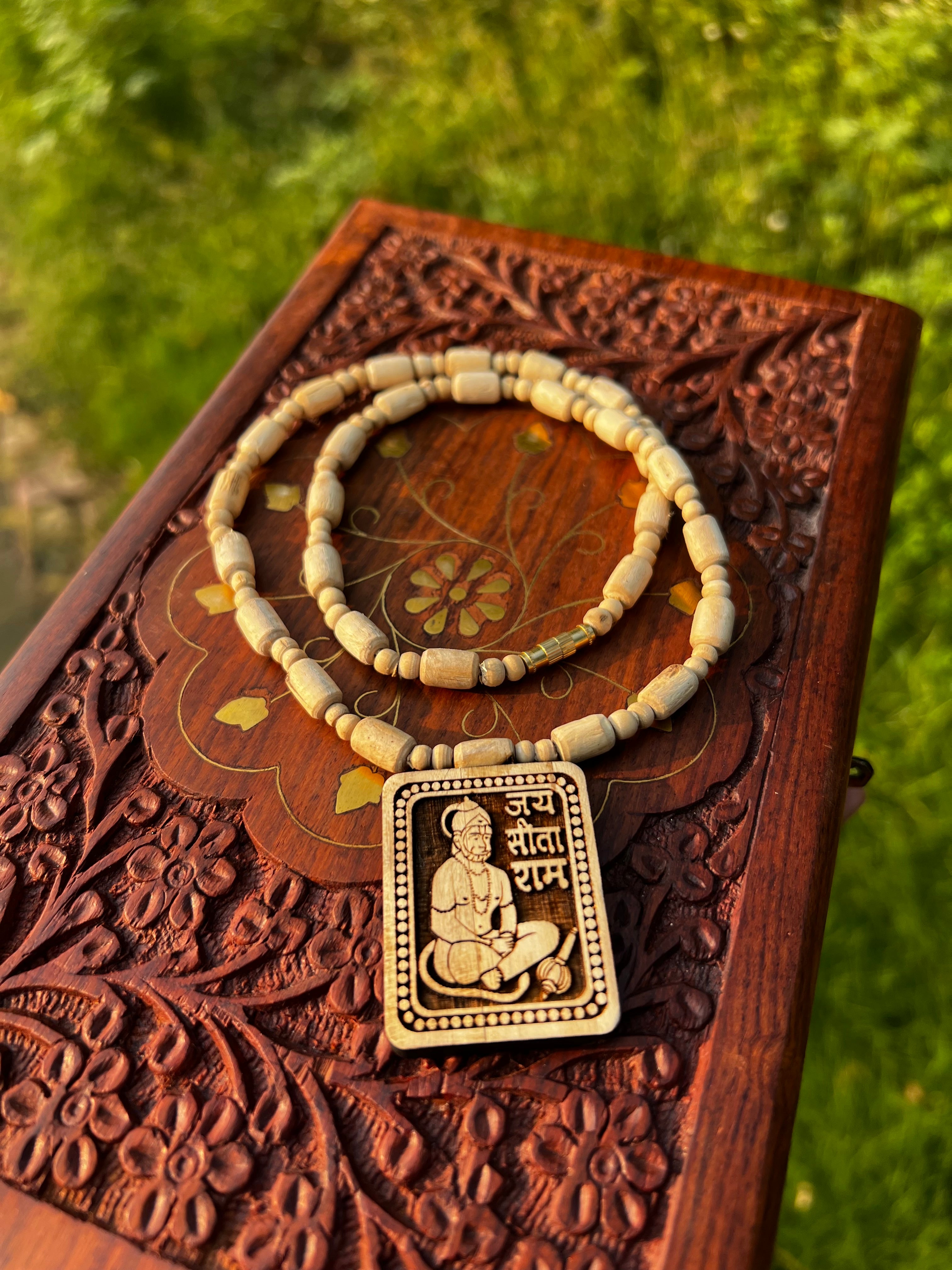
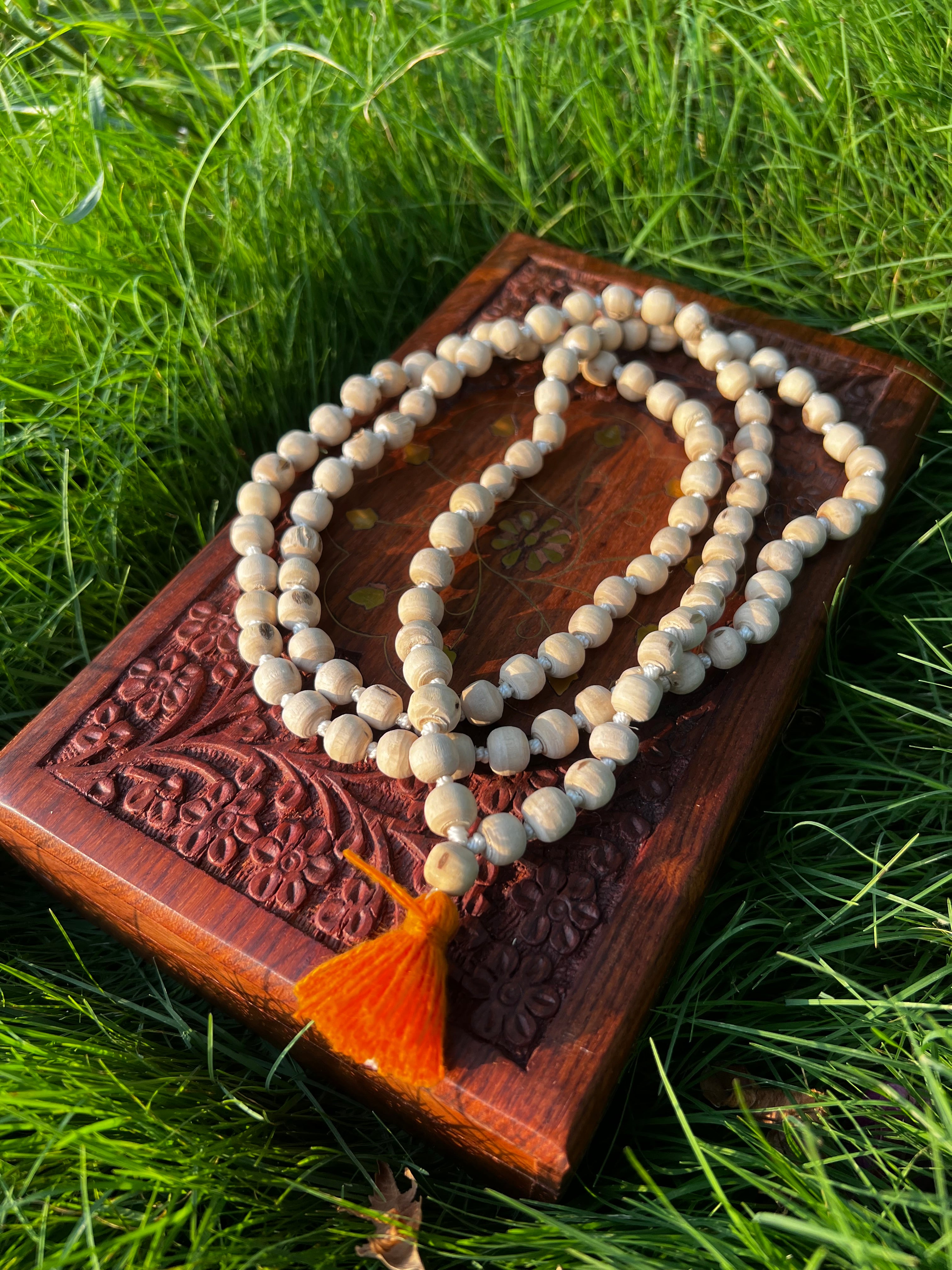
- Use Vrindavan Tulsi Mala: Authentic Tulsi from Vrindavan carries the dhama's energy
- Create a Vrindavan mood: Set up an altar with Radha-Krishna deities
- Remember Vrindavan: Simply remembering the holy dhama purifies consciousness
- Follow Vrindavan devotees: Adopt the practices of Vrindavan saints
Vrindavan Consciousness: A State of Mind
Great saints teach that Vrindavan is ultimately a state of consciousness—pure devotion to Krishna. As Srila Prabhupada said, "Vrindavan is where you remember Krishna."
Cultivating Vrindavan consciousness:
- See Krishna in everything
- Serve with love, like the residents of Vrindavan
- Chant the holy names constantly
- Read and hear about Krishna's pastimes
- Associate with devotees
- Offer everything to Krishna
The Glories of Vrindavan Tulsi
Tulsi plants from Vrindavan are especially sacred because they grow in the same soil where Krishna walked. Using a Tulsi Mala made from Vrindavan Tulsi connects you directly to the holy dhama.
Why Vrindavan Tulsi is special:
- Grown in Krishna's playground
- Absorbs the spiritual vibrations of the dhama
- Blessed by thousands of devotees' prayers
- Carries the essence of Vrindavan
- Recommended by scriptures for Krishna worship
Practical Tips for Vrindavan Pilgrimage
Best Time to Visit
- October to March: Pleasant weather, ideal for parikrama
- Kartik month: Most auspicious but very crowded
- Janmashtami: Experience grand celebrations but expect huge crowds
- Avoid summer: May-June can be extremely hot
What to Bring
- Modest, comfortable clothing
- Your japa mala
- Spiritual books (Bhagavad Gita, Bhagavatam)
- Offerings for deities (flowers, incense)
- Open heart and devotional attitude
Etiquette
- Dress modestly (cover shoulders and knees)
- Remove shoes before entering temples
- Don't point feet toward deities
- Maintain cleanliness and purity
- Respect all residents as servants of Krishna
- Avoid mundane conversations in sacred places
Bringing Vrindavan Home
After visiting Vrindavan or while cultivating Vrindavan consciousness at home, you can maintain the connection:
- Daily japa: Chant on your Vrindavan Tulsi Mala
- Altar worship: Maintain a Radha-Krishna altar
- Read daily: Study Vrindavan pastimes
- Kirtan: Sing bhajans about Vrindavan
- Serve devotees: Create satsang community
- Remember constantly: Keep Vrindavan in your heart
Conclusion: The Eternal Vrindavan
Vrindavan is not bound by time or space. It exists eternally in the spiritual world, and its manifestation on Earth allows us to access that transcendental realm. Whether you visit physically or connect through devotion, Vrindavan offers the ultimate gift—pure love for Krishna.
As the Chaitanya Charitamrita beautifully states: "Vrindavan is the transcendental abode of the Lord. There is no hunger, no thirst, no old age, no death, and no fear."
Ready to connect with Vrindavan's sacred energy? Explore our authentic Vrindavan Tulsi Malas and devotional items, sourced directly from the holy dhama to support your spiritual journey.