




Vrindavan Parikrama: The Sacred Circumambulation Guide
Share
Walking the Divine Path Around Vrindavan
Parikrama, the sacred practice of circumambulating holy places, is one of the most spiritually rewarding activities in Vrindavan. Walking the parikrama path is believed to purify the soul and bring devotees closer to Lord Krishna.
What is Parikrama?
Parikrama means 'circumambulation' in Sanskrit. In Vrindavan, it involves walking around the sacred town, visiting important temples and holy sites along the way. This ancient practice is mentioned in Vedic scriptures and has been performed by saints and devotees for thousands of years.
Types of Parikrama in Vrindavan
1. Vrindavan Parikrama (10 km)
The main parikrama path circles the entire town of Vrindavan, covering approximately 10 kilometers. It takes about 3-4 hours to complete at a comfortable pace.
2. Govardhan Parikrama (21 km)
Located about 25 km from Vrindavan, the Govardhan Hill parikrama is considered highly auspicious. Devotees walk around the sacred hill where Krishna lifted it on his little finger.
3. Braj Mandal Parikrama (84 kos / 252 km)
This extensive parikrama covers the entire Braj region, including Vrindavan, Mathura, Gokul, Barsana, Nandgaon, and other sacred sites. It typically takes 7-10 days to complete.
The Vrindavan Parikrama Route
The traditional parikrama path passes through several important locations:
- Kesi Ghat: Starting point for many devotees, where Krishna killed the demon Kesi
- Kaliya Ghat: Where Krishna subdued the serpent Kaliya
- Imli Tala: Site of the sacred tamarind tree
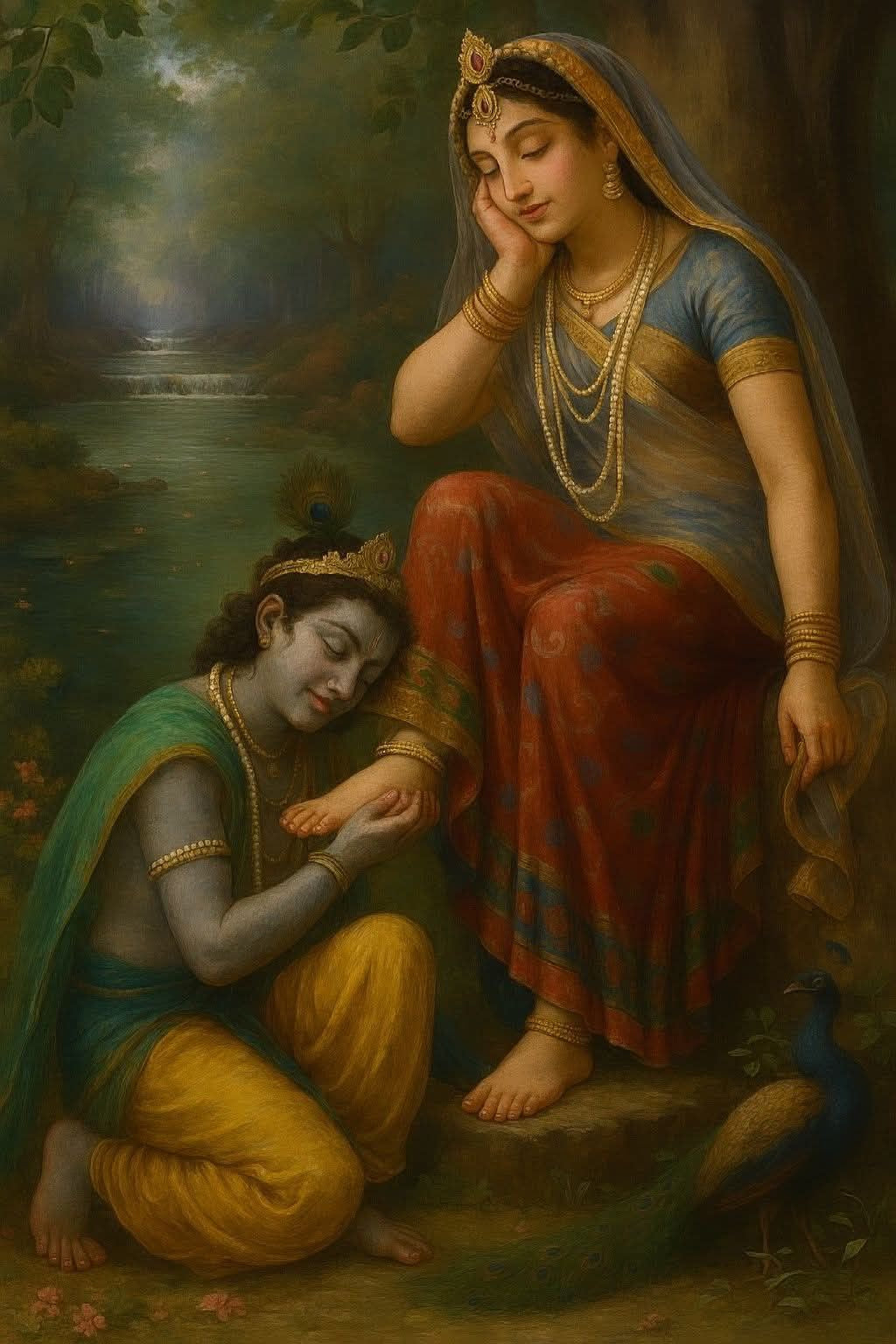
- Seva Kunj: Where Radha and Krishna performed Ras Leela
- Nidhivan: The mysterious forest where Krishna still dances at night (according to belief)
- Banke Bihari Temple: The most famous temple in Vrindavan
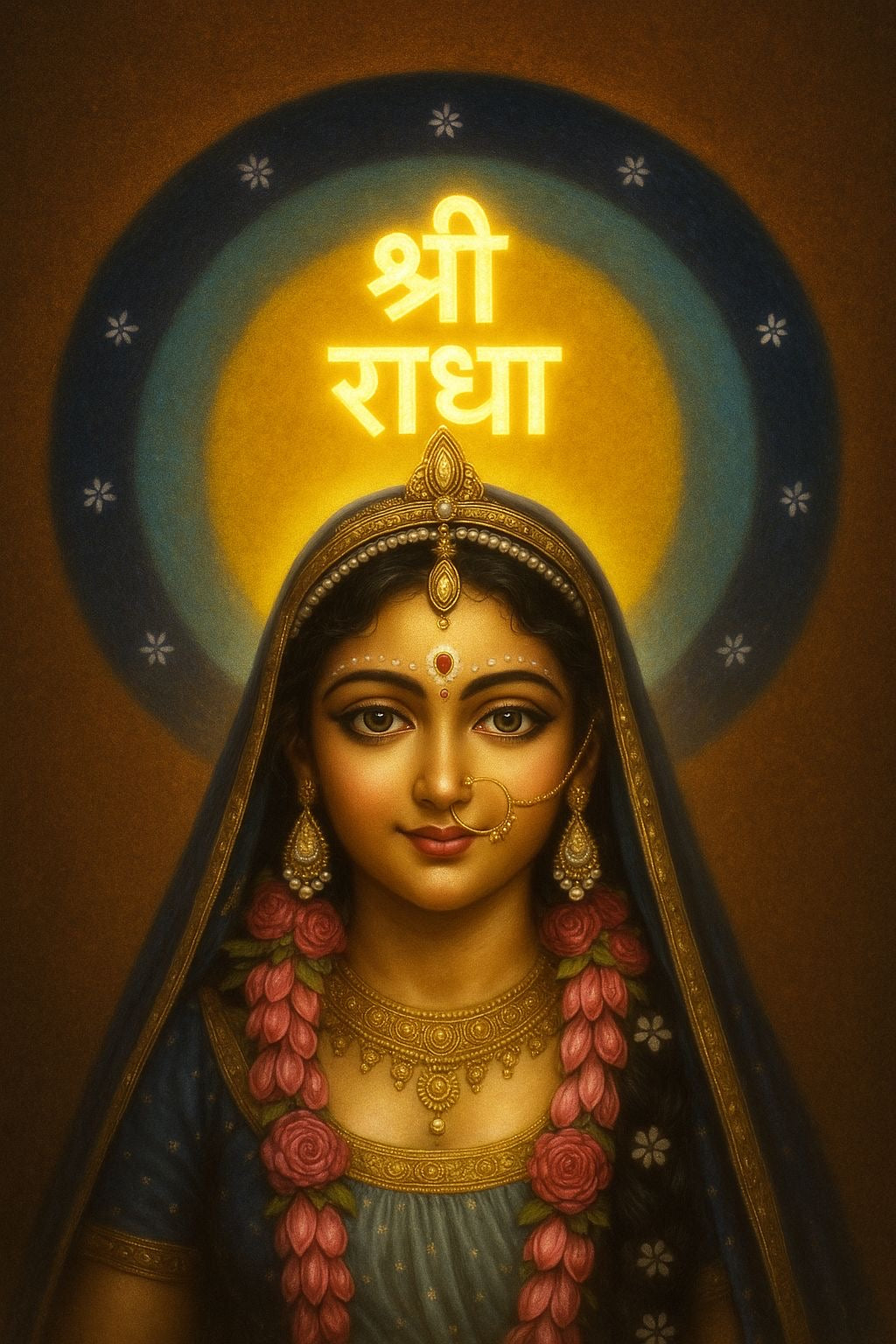
- Radha Vallabh Temple: Ancient temple dedicated to Radha
- Madan Mohan Temple: One of the oldest temples, overlooking the Yamuna
Best Time for Parikrama
Daily Timing:
Early morning (4-8 AM) is considered the most auspicious time. The weather is pleasant, and the spiritual atmosphere is at its peak. Evening parikrama (4-7 PM) is also popular.
Seasonal Timing:
- Winter (October-March): Ideal weather for walking
- Kartik Month (October-November): Considered most auspicious; thousands perform parikrama daily
- Summer (April-June): Very hot; if you must go, start very early morning
- Monsoon (July-September): Pleasant but paths can be muddy
How to Perform Parikrama
Preparation:
- Wear comfortable, modest clothing
- Carry water and light snacks
- Wear comfortable walking shoes or sandals
- Bring a small bag for prasadam and belongings
- Apply sunscreen if going during daytime
The Practice:
- Begin with a prayer and set your intention
- Walk in a clockwise direction
- Chant mantras or Krishna's names (Hare Krishna, Radhe Radhe)
- Visit temples along the route and offer prayers
- Maintain a meditative, devotional mood
- Some devotees perform dandavat parikrama (prostrating at every step) - a highly austere practice
Spiritual Benefits
According to scriptures and saints, performing Vrindavan parikrama:
- Purifies the mind and heart
- Burns past karmas
- Increases devotion to Krishna
- Brings peace and spiritual clarity
- Fulfills material and spiritual desires
- Grants the mercy of Radha and Krishna
Practical Tips
- Go with a Group: Especially if you're new to the area, joining a group provides safety and guidance
- Hire a Guide: Local guides can explain the significance of each location
- Stay Hydrated: Carry enough water, especially in summer
- Respect the Path: Keep the parikrama path clean; don't litter
- Be Mindful of Traffic: Some parts of the path run along roads
- Temple Timings: Note that some temples close during afternoon hours
- Footwear: You'll need to remove shoes at temples, so wear easy-to-remove footwear
Facilities Along the Route
The parikrama path has several facilities:
- Rest areas and shelters
- Water points
- Public toilets (though limited)
- Small shops selling prasadam and refreshments
- Temples offering free water and sometimes food
Special Parikrama Days
- Ekadashi: The 11th day of the lunar fortnight, considered highly auspicious
- Purnima (Full Moon): Thousands gather for parikrama
- Kartik Month: Daily parikrama is performed by devotees from around the world
- Janmashtami: Krishna's birthday sees massive participation
Etiquette and Guidelines
- Maintain silence or chant softly
- Don't eat non-vegetarian food before or during parikrama
- Dress modestly and respectfully
- Don't step over the parikrama path
- Offer respect to all devotees and sadhus
- Photography is allowed but be respectful
Performing parikrama in Vrindavan is a transformative spiritual experience. Each step taken with devotion brings you closer to the divine pastimes of Radha and Krishna. Whether you complete it in a few hours or take the whole day, the journey itself becomes a meditation and a prayer.