




Vrindavan Festivals 2026: Your Complete Guide to Sacred Celebrations in Krishna's Holy Land
Share
Vrindavan, the sacred land where Lord Krishna spent his childhood, comes alive throughout the year with vibrant festivals and divine celebrations. Whether you're planning a spiritual pilgrimage or seeking to deepen your devotional practice, understanding the Vrindavan festival calendar helps you connect with the timeless traditions of Braj Bhoomi. This comprehensive guide covers all major and local festivals celebrated in Vrindavan, offering insights into dates, significance, and authentic ways to participate in these holy events.
Major Festivals Celebrated in Vrindavan
Holi in Vrindavan - The Most Colorful Celebration (March)
Vrindavan Holi is legendary worldwide, transforming the entire town into a canvas of devotion and joy. Unlike anywhere else, Holi in Vrindavan is celebrated for nearly a week with unique traditions:
Phoolon Wali Holi at Banke Bihari Temple (one week before Holi): Devotees are showered with flowers instead of colors in this gentle, fragrant celebration. The temple courtyard fills with thousands of marigolds and rose petals as priests playfully toss them onto the singing, dancing crowd.
Lathmar Holi in Barsana (week before Holi): Women playfully beat men with sticks while men protect themselves with shields, reenacting the legendary teasing between Krishna and the gopis. This unique tradition draws visitors from across the globe.
Rang Gulal Holi (main Holi day): The streets of Vrindavan erupt in colors, music, and devotional fervor. Temples organize special programs, and the entire town participates in throwing organic colors while chanting "Radhe Radhe!"
Best temples to experience Vrindavan Holi: Banke Bihari Temple, Radha Raman Temple, ISKCON Vrindavan, Prem Mandir
Janmashtami - Krishna's Divine Birth Celebration (August/September)
Janmashtami in Vrindavan is the most significant festival of the year, celebrating Lord Krishna's appearance at midnight. The entire town stays awake for the midnight celebration:
Festival highlights:
- Elaborate decorations transforming temples into celestial palaces
- Continuous kirtan (devotional singing) for 24 hours
- Midnight aarti at the exact moment of Krishna's birth
- Jhankis (tableaux) depicting Krishna's childhood pastimes
- Distribution of prasadam (sanctified food) to thousands
Major celebrations: ISKCON Vrindavan hosts grand programs with international devotees, while traditional temples like Radha Vallabh and Radha Damodar maintain centuries-old rituals. The Dwarkadhish Temple's midnight celebration is particularly renowned for its authentic atmosphere.
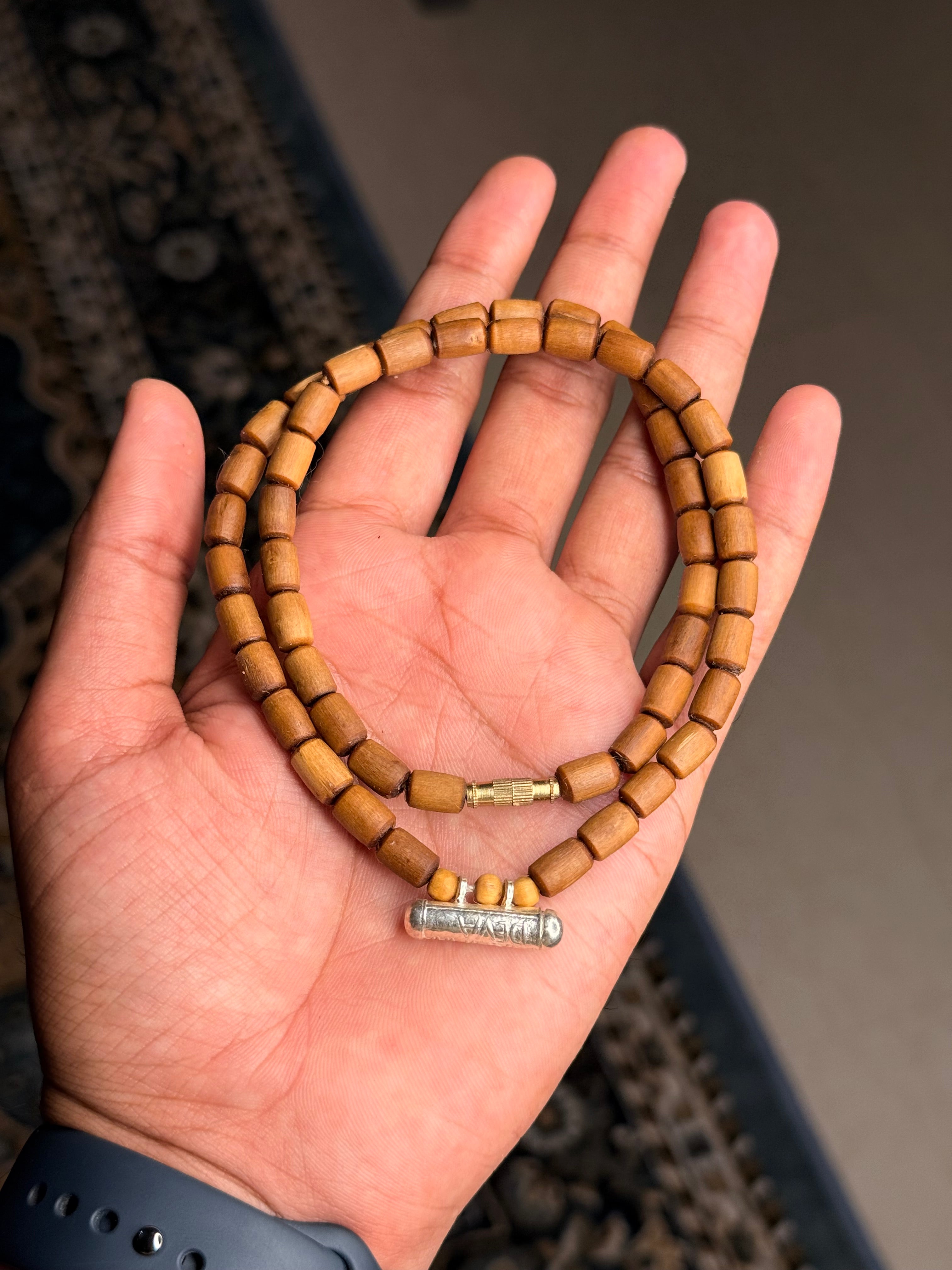
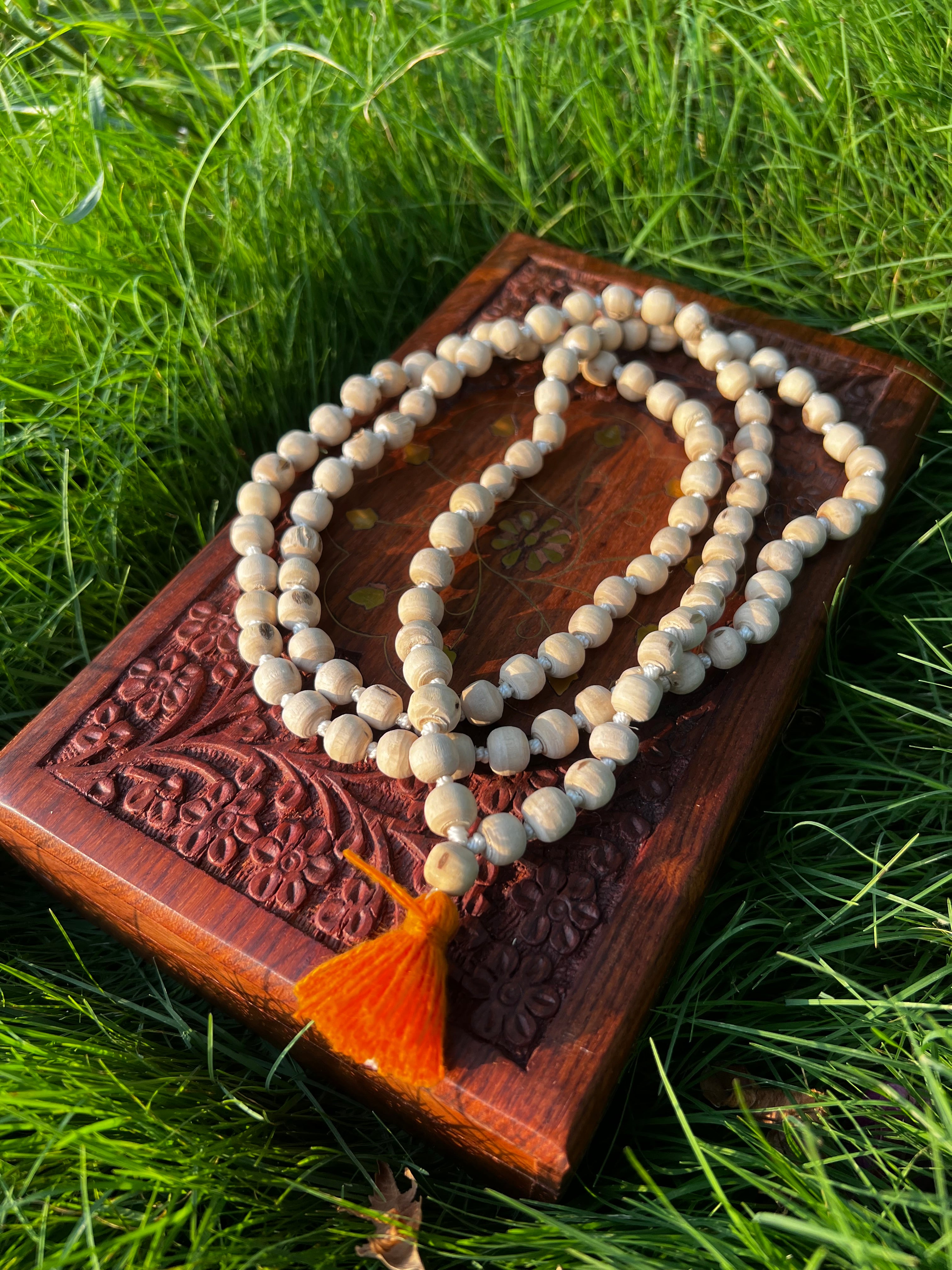
Devotional practice: Many devotees observe a complete fast until midnight, then break it with prasadam. Chanting the Hare Krishna mantra on Tulsi japa mala throughout the day is considered especially auspicious.
Radha Ashtami - Celebrating Radha Rani's Appearance (August/September)
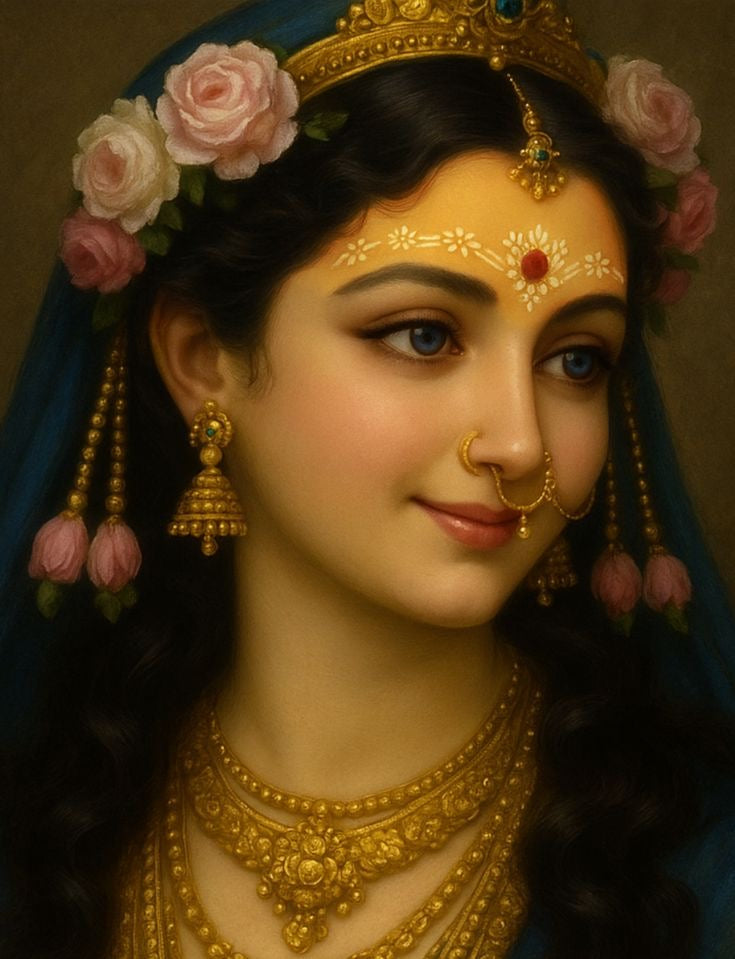
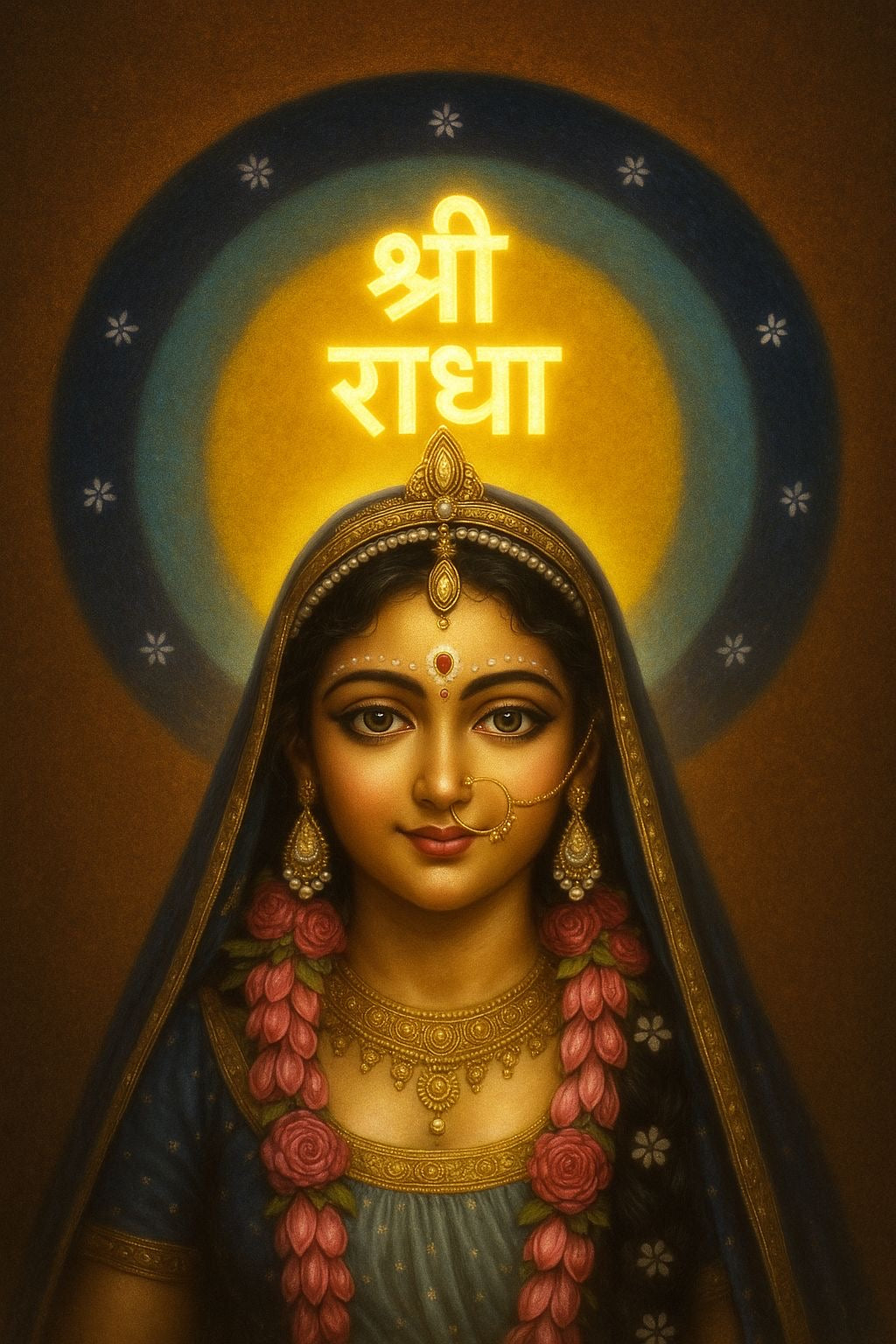
Fifteen days after Janmashtami, Vrindavan celebrates the appearance of Srimati Radharani, Krishna's eternal consort and the embodiment of divine love. This festival holds special significance in Vrindavan and Barsana.
Celebration details:
- Grand abhishek (bathing ceremony) of Radha Rani deities
- Special offerings of flowers, sweets, and devotional songs
- Processions through Vrindavan streets
- Barsana (Radha's birthplace) hosts the most elaborate celebrations
Spiritual significance: Devotees believe that worshiping Radha Rani on this day brings Krishna's mercy, as she is the gateway to his divine love.
Kartik Month Celebrations - The Holiest Month (October/November)
The entire month of Kartik is considered supremely sacred in Vrindavan. Thousands of pilgrims arrive to perform Kartik vrat (vows) and participate in daily celebrations:
Govardhan Puja (day after Diwali): Commemorates Krishna lifting Govardhan Hill to protect Vrindavan residents. Devotees create elaborate "Govardhan" from cow dung and food, then circumambulate it. The 21-kilometer Govardhan Parikrama (circumambulation) attracts lakhs of pilgrims.
Deepotsav (Diwali in Vrindavan): The entire town illuminates with millions of earthen lamps. Yamuna aarti with floating diyas creates a mesmerizing spectacle. Temples compete to create the most beautiful light displays.
Daily Kartik observances:
- Morning Yamuna snan (holy bath)
- Tulsi puja (worship of sacred Tulsi plant)
- Evening Damodar aarti with ghee lamps
- Offering of lamps to Yamuna River
- Reading of Damodarashtakam prayers
Special tradition: Devotees offer ghee lamps to Lord Damodar (Krishna) every evening, a practice believed to grant immense spiritual merit.
Smaller Sacred Festivals & Temple Events
Sharad Purnima & Raas Leela (September/October)
The full moon night when Krishna performed the Raas dance with the gopis. Temples stage elaborate Raas Leela performances with traditional music, dance, and drama depicting Krishna's divine pastimes.
Where to watch: Radhavallabh Temple and Shahji Temple are famous for authentic Raas Leela performances that have continued for centuries.
Rama Navami - Lord Rama's Appearance (March/April)
Though Vrindavan is Krishna's land, Rama Navami is celebrated with devotion, recognizing Rama and Krishna as the same Supreme Lord. Temples conduct special readings of Ramayana and organize processions.
Annakut Festival (Day After Diwali)
Literally meaning "mountain of food," temples prepare elaborate offerings of 56 or 108 vegetarian dishes arranged in the shape of Govardhan Hill. After offering to Krishna, the prasadam is distributed to thousands.
Nityananda Trayodashi (February)
Celebrates the appearance of Lord Nityananda, the eternal companion of Chaitanya Mahaprabhu. ISKCON Vrindavan and Gaudiya temples hold special programs with kirtan and feasting.
Gaura Purnima (February/March)
The appearance day of Chaitanya Mahaprabhu, who revived Krishna consciousness through the sankirtan movement. Devotees fast until moonrise and participate in ecstatic kirtan throughout the day.
Monthly Temple Celebrations & Ekadashi Observances
Ekadashi - Twice Monthly Fasting Days
Occurring on the 11th day of each lunar fortnight, Ekadashi is observed with fasting and increased devotional activities. Major Ekadashis include:
- Nirjala Ekadashi (June): Complete fast without water
- Putrada Ekadashi (January): For blessings of children
- Mokshada Ekadashi (December): For liberation
Purnima & Amavasya Celebrations
Full moon and new moon days feature special programs at temples, including extended aartis, kirtan, and prasadam distribution.
Parikrama Days
Many devotees perform weekly parikrama (circumambulation):
- Monday: Vrindavan Parikrama (10 km)
- Thursday: Govardhan Parikrama (21 km)
- Saturday: Barsana Parikrama
Best Time to Visit Vrindavan for Festival Experiences
Peak festival season (October-March):
- Pleasant weather (15-25°C)
- Major festivals: Kartik month, Holi, Janmashtami
- Ideal for parikrama and temple visits
- Book accommodations well in advance
Monsoon season (July-September):
- Janmashtami and Radha Ashtami
- Lush greenery reminiscent of Krishna's time
- Fewer crowds but occasional travel disruptions
- Romantic atmosphere with peacocks dancing
Summer (April-June):
- Fewer tourists, more intimate temple experiences
- Very hot (35-45°C) - early morning visits recommended
- Nirjala Ekadashi and other summer festivals
- Lower accommodation prices
How to Experience Vrindavan Festivals Authentically
Dress Code & Temple Etiquette
- Women: Modest clothing covering shoulders and knees; dupatta recommended
- Men: Long pants and shirts (shorts not allowed in most temples)
- Footwear: Remove before entering temple premises
- Photography: Ask permission; many temples prohibit photos during aarti
Participation Tips
- Arrive early: Major festivals draw huge crowds; temples open as early as 4:30 AM
- Learn basic Hindi/Sanskrit prayers: Enhances your experience
- Carry your Tulsi japa mala: Perfect for chanting during kirtan
- Respect local customs: Follow the lead of regular devotees
- Stay hydrated: Especially during summer festivals
- Book accommodations early: Ashrams and hotels fill months in advance for major festivals
Devotional Practices to Enhance Your Experience
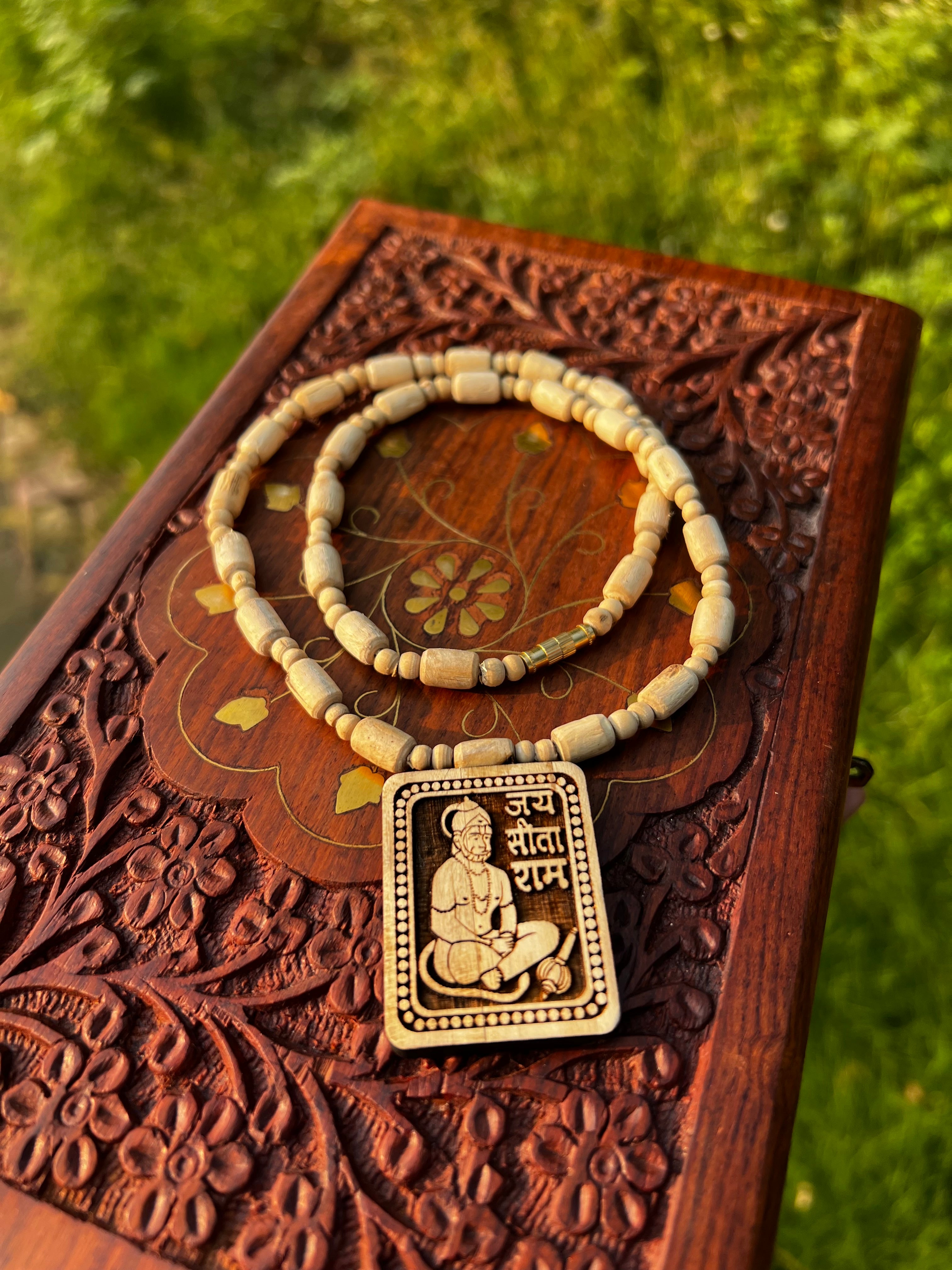
- Chant on authentic Tulsi beads: Our handcrafted Vrindavan Tulsi japa malas are blessed in local temples
- Participate in kirtan: Don't be shy - singing together is the heart of Vrindavan
- Take prasadam: Sanctified food is Krishna's mercy
- Offer service: Volunteer at temples or feed sadhus
- Maintain a devotional mood: Vrindavan is not a tourist destination but a sacred pilgrimage
Vrindavan Festival Calendar 2026
January 2026
- Putrada Ekadashi (Jan 10)
- Makar Sankranti (Jan 14)
February 2026
- Nityananda Trayodashi (Feb 8)
- Gaura Purnima (Feb 23)
March 2026
- Holi Week Celebrations (Mar 9-14)
- Phoolon Wali Holi (Mar 7)
- Lathmar Holi Barsana (Mar 10)
- Main Holi (Mar 14)
- Rama Navami (Mar 30)
April 2026
- Akshaya Tritiya (Apr 18)
May-June 2026
- Nirjala Ekadashi (Jun 1)
- Snana Yatra (Jun 16)
July-August 2026
- Guru Purnima (Jul 13)
- Janmashtami (Aug 15-16)
- Radha Ashtami (Aug 31)
September 2026
- Sharad Purnima & Raas Leela (Sep 27)
October-November 2026
- Kartik Month begins (Oct 18)
- Diwali & Deepotsav (Nov 1)
- Govardhan Puja & Annakut (Nov 2)
- Kartik Purnima (Nov 16)
December 2026
- Mokshada Ekadashi (Dec 7)
- Gita Jayanti (Dec 21)
Connect Your Devotional Practice with Vrindavan's Sacred Traditions
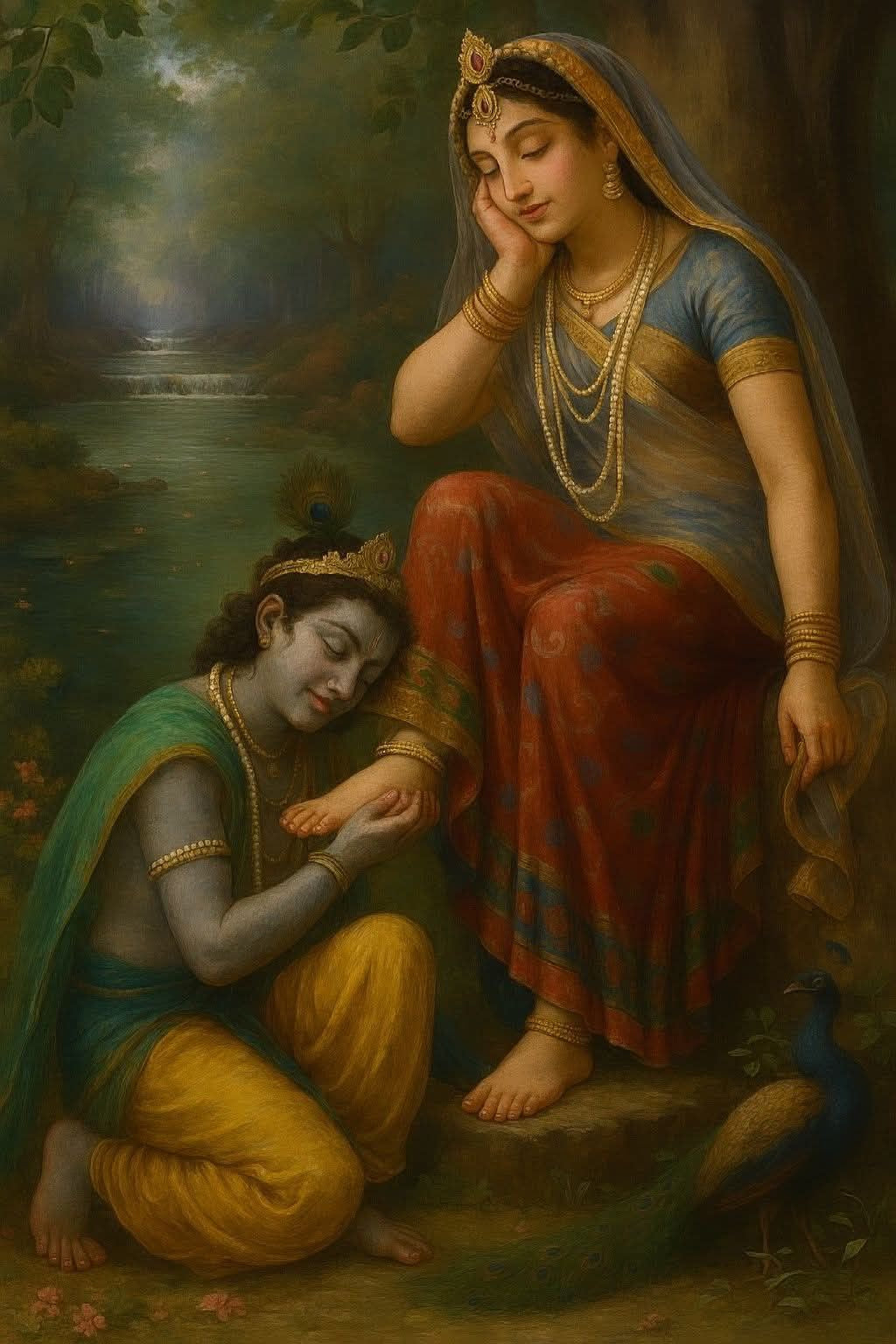
Every festival in Vrindavan reminds us of the eternal pastimes of Radha and Krishna. Whether you're able to visit physically or connect spiritually from home, maintaining a daily devotional practice keeps you connected to this sacred land.
Our Tulsi japa malas are handcrafted by Vrindavan artisans using authentic Tulsi wood, blessed in the same temples where these festivals are celebrated. Each bead carries the spiritual energy of Krishna's holy dhaam, allowing you to bring Vrindavan's devotional atmosphere into your daily practice.
Explore our Vrindavan-blessed Tulsi Japa Mala collection and make every day a festival of devotion.
Ready to deepen your spiritual journey? Browse our complete collection of handcrafted devotional accessories, each piece connected to Vrindavan's sacred traditions and supporting our Nitya Hara Chara Seva cow protection program.
Radhe Radhe! 🙏