






Narsinh Mehta: The Poet Saint Who Defined True Devotion
Share
The First Poet of Gujarati Bhakti
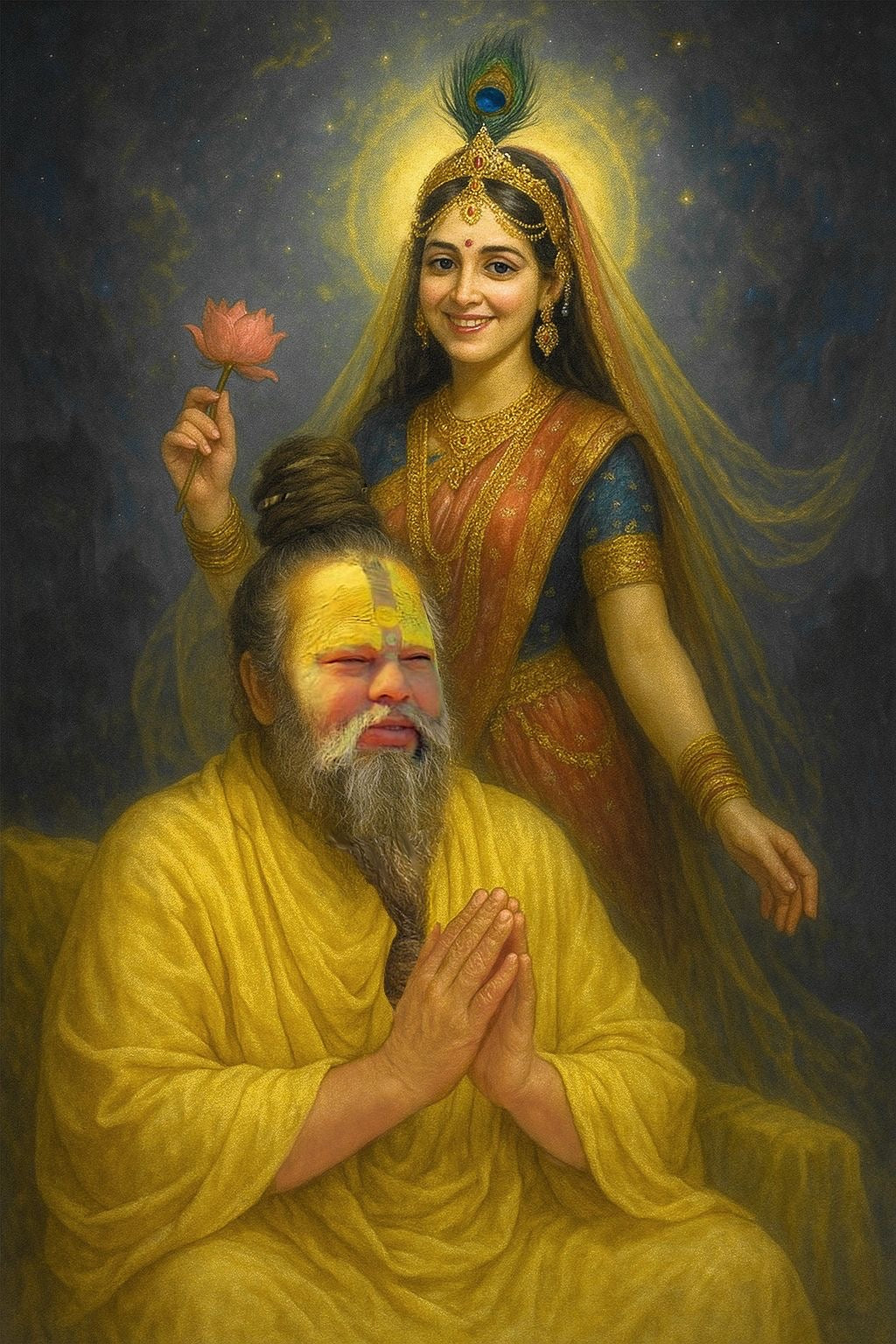
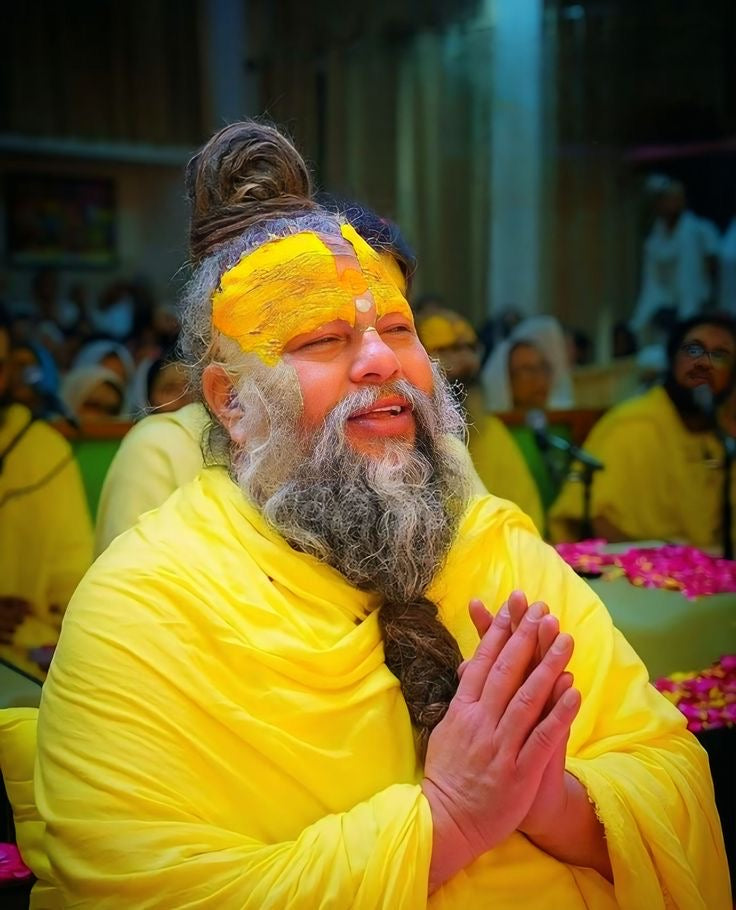
Narsinh Mehta (1414-1481), also known as Narsi Mehta, is celebrated as the Adi Kavi (first poet) of Gujarati literature and one of the greatest Krishna bhaktas. His life and poetry demonstrate that true devotion transcends social barriers and that Krishna protects those who surrender completely to Him.
From Rejection to Divine Vision
Born into a Nagar Brahmin family in Gujarat, Narsinh Mehta faced rejection from his own relatives who considered him useless because of his constant absorption in Krishna consciousness. They mocked him for not pursuing worldly success and excluded him from family gatherings.
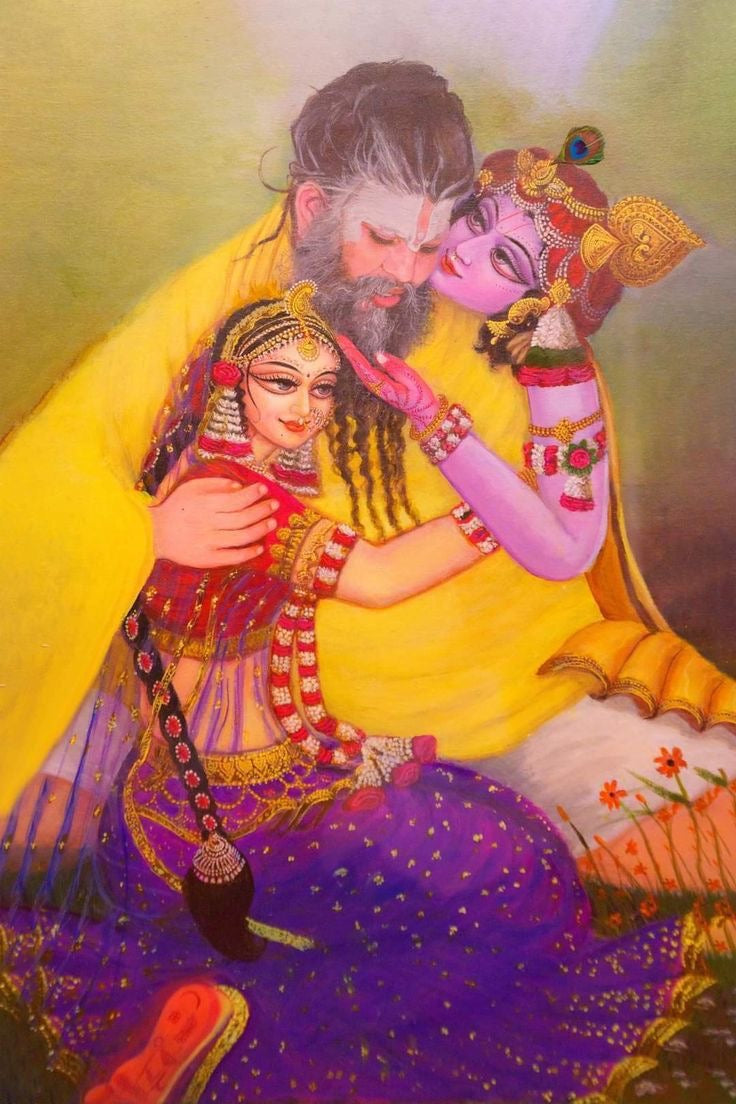
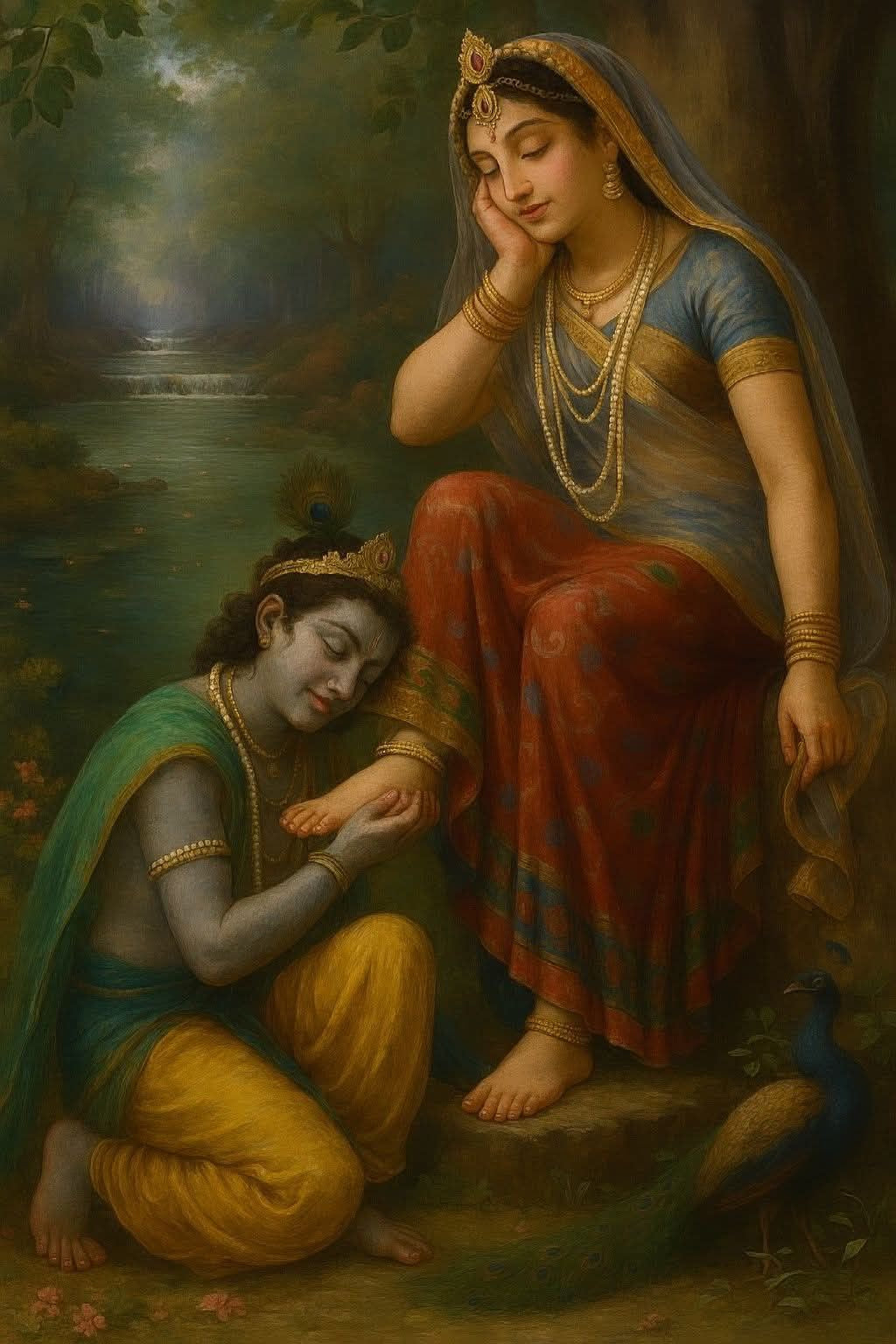
In response to this rejection, Narsinh Mehta went to a Shiva temple and meditated intensely. Lord Shiva appeared and took him to Vrindavan in a divine vision, where he witnessed Krishna's rasa dance with the gopis. This experience transformed him completely and inspired his greatest poetry.
His Connection to Vrindavan
Though Narsinh Mehta lived in Gujarat, his heart resided in Vrindavan. His divine vision of the rasa dance gave him direct experience of Krishna's pastimes, and his poetry reflects the mood of Vrindavan's gopis—complete, selfless love for Krishna.
He composed numerous poems describing Vrindavan's beauty, Krishna's flute playing, and the gopis' devotion, as if he had personally witnessed these pastimes.
Vaishnava Jana To: The Definition of a Devotee
Narsinh Mehta's most famous composition is "Vaishnava Jana To," which defines the qualities of a true devotee. This bhajan became Mahatma Gandhi's favorite and was sung during India's independence movement. It teaches that a true Vaishnava:
- Feels the pain of others
- Helps those in distress without ego
- Respects everyone equally
- Controls the senses and tongue
- Sees the Divine in all beings
- Remains detached from material desires
Miraculous Protection by Krishna
Narsinh Mehta's life is filled with stories of Krishna's miraculous intervention:
- Krishna personally paid off his debts when he had no money
- Krishna arranged his daughter's wedding when he was too poor to do so
- Krishna protected his honor when society tried to humiliate him
These incidents demonstrate that Krishna personally takes care of those who depend completely on Him.
His Literary Legacy
Narsinh Mehta composed hundreds of devotional poems (pads and bhajans) in Gujarati that are still sung today. His poetry covers:
- Krishna's childhood pastimes
- The love of the gopis
- The philosophy of devotion
- The glory of Vrindavan
- Complete surrender to Krishna
His Teachings
Narsinh Mehta taught that:
- True devotion means seeing Krishna in everyone
- Material poverty is no obstacle to spiritual wealth
- Krishna protects those who depend solely on Him
- Compassion and humility are essential for devotees
- The mood of the gopis represents perfect love
Live as a True Vaishnava
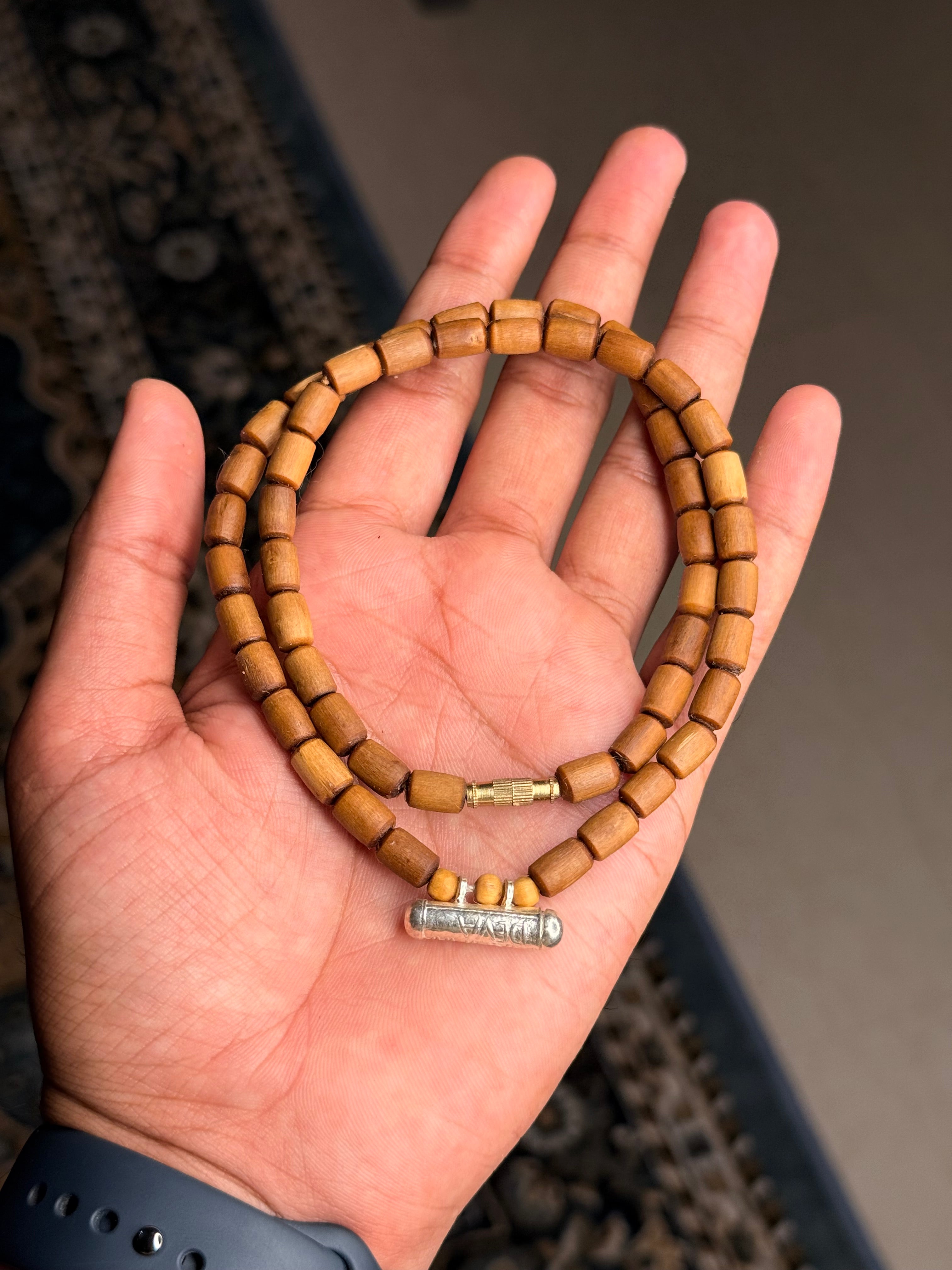
Narsinh Mehta's example inspires us to develop the qualities of a true devotee. Our Tulsi malas from Vrindavan support your daily japa practice, helping you cultivate the devotion that Narsinh Mehta exemplified.
Each mala is blessed in Vrindavan, the land Narsinh Mehta saw in his divine vision, and handcrafted by artisans who honor the devotional traditions of the saints.
"One who is a devotee feels the pain of others, does good without seeking recognition, and sees the Lord in all beings." - Narsinh Mehta